Compare Local Contractors for Concrete Walkway Installation Services
Compare local contractors for concrete walkway installation to define project scope, verify experience, and set clear expectations for a successful outcome.
Concrete walkway installation involves more than just pouring concrete along a designated path. It typically includes site preparation, such as grading and excavation, to ensure proper drainage and a stable base. The work may also encompass forming the edges of the walkway, selecting appropriate concrete mixes, and finishing surfaces to achieve a smooth, durable surface. Some projects might incorporate decorative elements like stamped patterns or textured finishes, depending on the property owner’s preferences. Understanding what the scope covers helps property owners communicate clearly with service providers and ensures that all necessary steps are included in the project.
Defining the scope of a walkway installation is essential for managing expectations and ensuring the project meets specific needs. Clear specifications about the walkway’s size, shape, and finish help prevent misunderstandings and scope creep. Property owners should consider detailing any special requirements, such as incorporating accessibility features or integrating the walkway with existing landscape elements. Having a written outline of the scope also aids in comparing different contractors, as it provides a consistent basis for evaluating how each service provider plans to approach the work and what is included in their service offering.
When comparing local contractors for concrete walkway installation, it’s important to verify their experience with similar projects and understand their approach to scope and communication. Property owners can review portfolios, ask for references, and inquire about the types of projects they have completed in the past. It’s also beneficial to discuss how each contractor plans to handle site preparation, finishing techniques, and any additional features. Ensuring that scope details are documented and that expectations are aligned in writing can contribute to a smoother project process and help identify the service provider best suited to the specific needs of the property.
Compare local contractors by outlining your project priorities, verifying experience, and setting clear expectations in writing.
- Compare Contractor Experience - Review the backgrounds and project portfolios of local contractors to assess their expertise in walkway installation.
- Define Project Scope Clearly - Establish detailed expectations and specifications to ensure alignment before work begins.
- Verify Credentials and References - Check references and past work to confirm the reliability and quality of service providers.
- Document Agreements in Writing - Ensure all project details, responsibilities, and expectations are outlined in a formal contract.

Clearly describing your walkway project helps compare contractors, define scope, verify experience, and set expectations effectively.
- Verify the contractor’s experience with concrete walkway installations to ensure familiarity with the scope of work. - Assess the contractor’s portfolio or references to evaluate the quality of similar projects completed.
- Define the project scope clearly, including dimensions, design preferences, and any additional features or finishes. - Make sure all expectations are documented to prevent misunderstandings during the project.
- Check that the contractor provides a detailed written proposal outlining the scope, materials, and work plan. - Review the proposal carefully to compare services offered by different local contractors.
- Discuss the project timeline and sequence of work to understand how the installation will be managed. - Confirm that the schedule aligns with your expectations and the contractor’s workflow.
- Ensure the contractor has appropriate insurance coverage to protect against potential damages or liabilities. - Request proof of insurance to verify coverage and reduce liability concerns.
- Compare multiple local contractors to assess their communication, professionalism, and clarity in explaining the project details. - Choose a service provider who demonstrates transparency and responsiveness throughout the planning process.
Compare local contractors, clarify project scope, verify experience, and document expectations clearly.

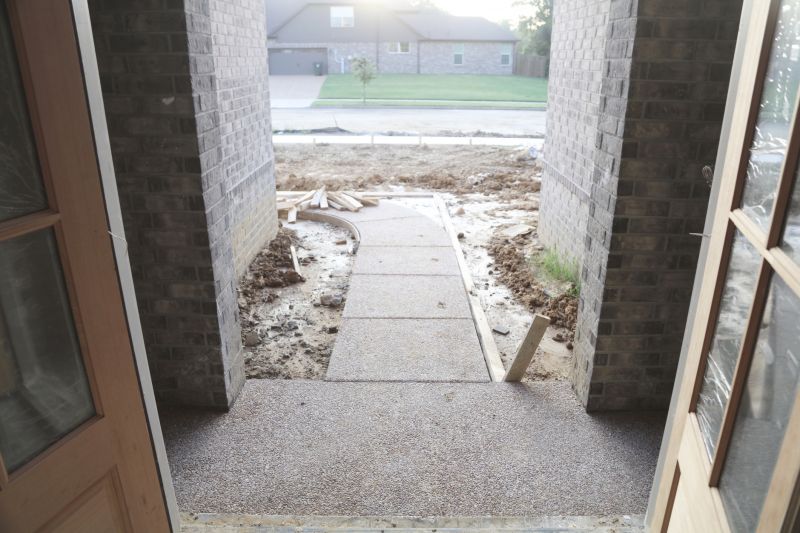


Use consistent comparison criteria to evaluate local contractors’ scope, experience, and written expectations for walkway projects.
- Scope Definition - Clearly outline the specific dimensions, shape, and location of the walkway to establish project boundaries.
- Material Selection - Specify the type and quality of concrete and any finishing details to ensure consistency and durability.
- Experience Verification - Confirm that local contractors have relevant experience with walkway installation projects of similar scope.
- Work Specifications - Document the required preparation, pouring, finishing, and curing processes to set clear expectations.
- Written Agreement - Ensure all project details, responsibilities, and scope are documented in a formal contract before work begins.
When comparing contractors for concrete walkway installation, it is important to consider their experience with similar projects. Homeowners should inquire about the types of walkways they have previously installed, including the size, design complexity, and site conditions. Contractors with a history of completing projects comparable to the scope at hand are more likely to understand the specific challenges and requirements involved. This familiarity can contribute to a smoother process and help ensure the finished walkway meets expectations for durability and appearance.
A clear, written scope of work is essential when evaluating potential service providers. Homeowners should seek detailed descriptions of the work to be performed, including surface preparation, materials, finishing techniques, and any additional features such as edging or decorative elements. Having a comprehensive scope in writing helps prevent misunderstandings and provides a solid foundation for agreement. It also allows homeowners to compare what each contractor plans to deliver and ensures that all parties share the same expectations from the outset.
Verification basics involve confirming that contractors have a track record of reliable service and appropriate experience. Homeowners can ask for references or examples of completed projects similar in scope and style. It is also helpful to verify that the contractor has appropriate insurance coverage and adheres to safety standards. While licensing and certification are not the focus here, gathering information about a contractor’s reputation and past work provides a clearer picture of their capability and professionalism, aiding in the decision-making process.
Evaluating options without discussing prices involves focusing on the quality of the proposal, the clarity of communication, and the professionalism demonstrated during interactions. Homeowners should compare the level of detail provided in each contractor’s scope, their responsiveness to questions, and their willingness to address specific project needs. By emphasizing experience, scope clarity, and verification, homeowners can form a well-rounded view of each service provider’s suitability for the project. This approach helps identify the contractor best aligned with the project’s requirements, ensuring a successful walkway installation.
Ask contractors to provide written scope details to ensure clear expectations and consistent project understanding.
- Experience and Credentials - What relevant experience do local contractors have with concrete walkway installations?
- Scope of Work - How do contractors define and outline the specific scope of the walkway project?
- Materials and Techniques - What materials and installation techniques do local service providers recommend for durability?
- Project Expectations - How do contractors clarify project expectations and deliverables in writing?
- Comparing Contractors - What criteria should be used to compare and evaluate different local concrete walkway installation service providers?
How can I compare contractors for concrete walkway installation? It's helpful to review their experience, request references, and verify their previous work to ensure they meet project expectations.
What should I clarify in the scope of work with a contractor? Clearly define the size, design, materials, and any additional features to prevent misunderstandings and ensure the project aligns with your needs.
How do I verify a contractor’s experience in installing concrete walkways? Ask for details about their past projects, check references, and review any portfolios or examples of similar work they have completed.
Why is it important to have a written agreement with a contractor? A written contract helps set clear expectations, outlines the scope, and provides a record of agreed-upon details to prevent disputes.
What questions should I ask contractors during the selection process? Inquire about their previous experience, materials they recommend, project approach, and how they handle unexpected issues or changes.
How can I ensure a contractor understands my specific walkway design preferences? Communicate your ideas clearly, provide examples if possible, and confirm that these preferences are documented in the project scope or agreement.
Understanding the key aspects of concrete walkway installation helps ensure the project aligns with specific needs and expectations. By comparing local contractors, clarifying the scope of work, verifying experience, and putting details in writing, homeowners can make informed decisions and set clear standards for the job. Utilizing the quote form makes it easier to explore options and find service providers suited to the project’s requirements.
Taking the time to evaluate and compare local contractors is an important step in planning a concrete walkway installation. The quote form offers a straightforward way to gather information and connect with experienced service providers who can handle the job. This approach supports making well-informed choices tailored to individual project goals.