Common Causes of Cracked Concrete Sidewalks and How Installation Quality Matters
People seeking concrete sidewalk installation often want durable, crack-resistant walkways, and local contractors can ensure quality work to prevent common causes of cracks.
Understanding the common causes of cracked concrete sidewalks and how installation quality matters is essential for property owners looking to maintain safe and attractive walkways. Cracks can develop over time due to factors such as soil movement, freeze-thaw cycles, or improper installation techniques. Recognizing these issues early can help prevent costly repairs and ensure the longevity of the sidewalk. Local contractors who specialize in concrete sidewalk installation are equipped to address these concerns by using proper methods and materials, which can significantly reduce the likelihood of future cracks.
For property owners in the area, exploring this topic is a practical step toward preserving the value and safety of their outdoor spaces. Well-installed concrete sidewalks not only enhance curb appeal but also provide a durable surface that withstands daily wear and environmental stresses. Connecting with experienced service providers can help ensure that sidewalks are installed correctly from the start, minimizing the risk of cracking caused by poor workmanship or unsuitable site preparation. Keep reading to learn more about how quality installation plays a vital role in preventing cracks and maintaining a long-lasting sidewalk.
- Concrete sidewalk installation services are needed when existing sidewalks crack due to poor initial construction or shifting ground, and local contractors emphasize proper subgrade preparation to prevent future issues. When cracks develop from freeze-thaw cycles or improper expansion joint placement, experienced service providers focus on high-quality materials and precise installation techniques. Cracks caused by heavy foot traffic or tree root intrusion can be addressed through expert assessment and reinforced installation methods by local pros. Installing concrete sidewalks with attention to proper leveling and reinforcement helps mitigate common causes of cracked concrete sidewalks and ensures longer-lasting results. Proper installation quality by local contractors plays a crucial role in reducing the risk of cracks and maintaining sidewalk integrity over time.
Understanding common causes of cracked concrete sidewalks and how installation quality matters is a key concern for many homeowners planning to improve their property. When people search for this topic, they are often looking for explanations about why cracks develop over time and how proper installation can prevent or minimize damage. Cracks can appear for various reasons, including ground movement, improper mixing, or subpar preparation, which can compromise the sidewalk’s durability and safety. Homeowners typically want to identify the root causes of existing cracks or learn how to avoid them in future projects, ensuring that their sidewalks remain functional and visually appealing for years to come.
This topic is closely related to property maintenance, renovation plans, or new construction projects involving outdoor walkways. Cracked sidewalks can be a safety hazard, especially for children, elderly residents, or visitors, and may also impact curb appeal. When considering repairs or new installations, property owners often seek guidance on how to select high-quality materials and ensure proper installation practices. Local contractors specializing in concrete sidewalk installation play a crucial role in this process by applying techniques that address common causes of cracking, such as proper subgrade preparation, correct mixing, and adequate curing. Their expertise helps ensure that the finished sidewalk can withstand environmental stresses and regular use.
Certain types of properties tend to experience more issues with cracked concrete sidewalks, including residential neighborhoods, commercial complexes, and public parks. In residential settings, cracks may result from shifting soil or tree roots, while commercial properties often face heavy foot traffic and heavier loads that can stress the concrete. Public spaces, exposed to varying weather conditions, are also prone to surface deterioration if not installed correctly. For property owners, understanding the specific factors that affect their property type can guide them in choosing the right installation methods and materials. Local service providers familiar with these unique challenges can help select solutions that mitigate common causes of cracking and enhance the longevity of the sidewalk.
Ultimately, the quality of installation remains a critical factor in preventing cracks and ensuring long-term performance. Proper site preparation, quality control during mixing, and appropriate finishing techniques all contribute to a durable concrete sidewalk. When property owners work with experienced local contractors, they benefit from installation practices that address common causes of cracked concrete sidewalks and how installation quality matters. These professionals can assess site conditions, recommend suitable materials, and execute the work to meet best practices, helping to avoid costly repairs down the line. Connecting with knowledgeable service providers ensures that the project aligns with the goal of creating a safe, stable, and attractive sidewalk that stands up to time and weather.
Paving and Driveway Projects - these projects involve similar skills in preparing subgrades and pouring concrete, emphasizing the importance of proper installation to prevent cracking issues.
Patio and Outdoor Living Space Installations - installing patios requires precise planning and concrete work, making quality installation essential to avoid future damage like cracking.
Foundation and Footing Construction - foundation work shares techniques with sidewalk installation, where proper planning and execution can reduce the risk of cracks caused by settling or shifting.
Concrete Repair and Resurfacing Services - repair projects often address cracks caused by poor installation or environmental factors, highlighting the need for skilled craftsmanship.
Sidewalk and Pathway Replacement - replacing damaged or cracked pathways involves similar planning and concrete pouring skills to ensure longevity and crack resistance.
Stamped and Decorative Concrete Projects - these projects require precise finishing techniques that also contribute to the durability and crack resistance of concrete surfaces.
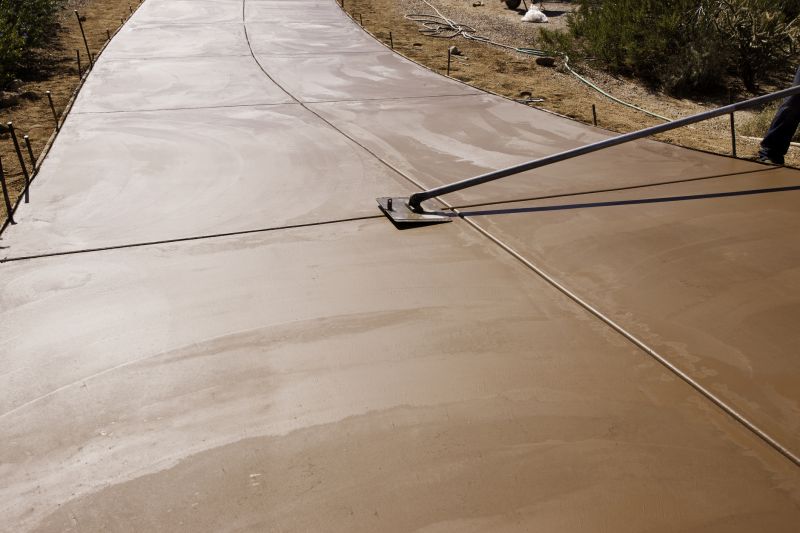
When evaluating concrete sidewalk installation services, it is important for homeowners to consider the experience of local contractors with similar projects. An experienced service provider will have a better understanding of the common causes of cracked concrete sidewalks and how installation quality matters. This knowledge can influence their approach to site preparation, proper mixing, and finishing techniques, all of which play a critical role in preventing future damage. Asking for examples of past work or references related to sidewalk projects can provide insight into a contractor’s familiarity with addressing issues that lead to cracking, ensuring the work is done with an understanding of common pitfalls and best practices.
Clear written expectations are essential when comparing local contractors for sidewalk installation. Homeowners should seek detailed proposals that outline the scope of work, materials used, and the installation process. A comprehensive plan helps ensure that both parties are aligned on the project’s standards and reduces the risk of misunderstandings that could compromise the quality of the finished sidewalk. Additionally, well-documented expectations can serve as a reference point if issues related to cracking or other defects arise later, emphasizing the importance of transparency and thorough communication from the outset.
Reputable references and effective communication are key factors in choosing the right service provider. Reliable local contractors are often willing to share references from previous clients, especially those involving sidewalk or similar concrete projects. Speaking with past customers can reveal how well the contractor manages projects, communicates throughout the process, and addresses concerns related to installation quality. Good communication ensures that homeowners can ask questions, receive updates, and clarify expectations, all of which contribute to a smoother project and a finished sidewalk that withstands the test of time. Prioritizing these qualities helps ensure the chosen contractor is capable of delivering a durable, well-installed sidewalk.
Property owners often search for common causes of cracked concrete sidewalks and how installation quality matters when they are planning practical projects around their homes and businesses. Local pros provide Concrete Sidewalk Installation services for everyday jobs and straightforward project options.
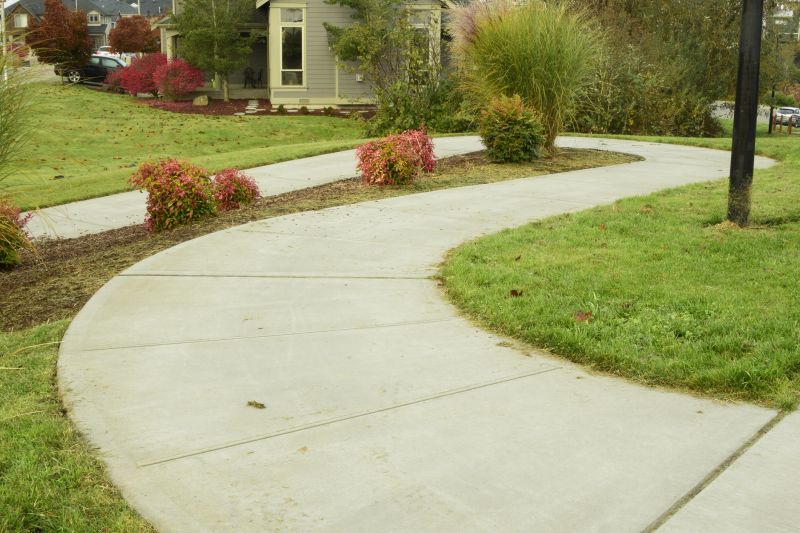
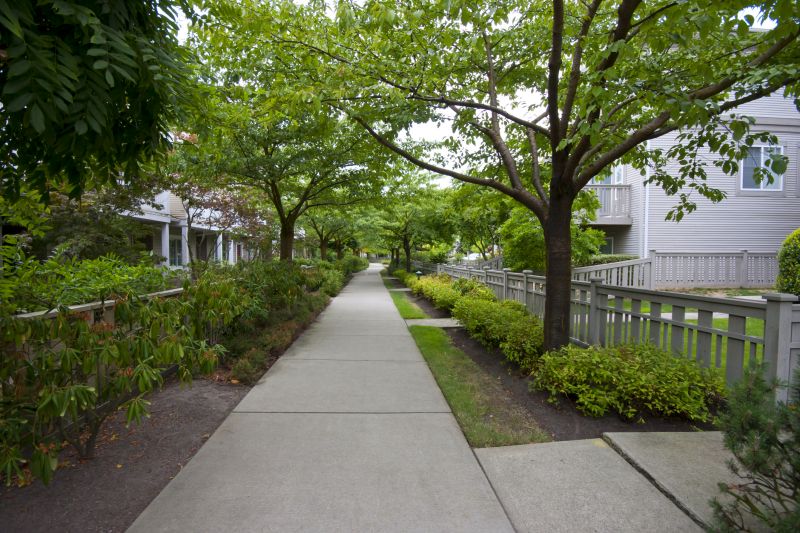
Understanding common causes of cracked concrete sidewalks and how installation quality matters can help property owners prevent future issues and maintain a safe, attractive property. Many cracks develop due to factors such as ground movement, temperature fluctuations, or improper preparation during installation. For example, if the soil beneath the sidewalk isn’t properly compacted or if the concrete isn’t poured with adequate reinforcement, cracks are more likely to form over time. Property owners often look into this topic when noticing existing damage or planning a new sidewalk project, seeking insights into how quality workmanship can make a difference in durability.
Choosing experienced local contractors for concrete sidewalk installation can significantly influence the longevity and appearance of the finished project. Skilled service providers understand the importance of proper site preparation, correct mixing techniques, and appropriate curing methods-all of which help minimize the risk of cracking caused by poor installation. Property owners considering a new sidewalk or repairs may explore this topic to ensure they select service providers who prioritize quality craftsmanship, ultimately helping to prevent costly repairs down the line and ensuring the sidewalk remains safe and stable for years to come.
What are common causes of cracked concrete sidewalks? Common causes include soil movement, improper installation techniques, freeze-thaw cycles, and heavy loads that exceed the concrete's capacity. Local contractors who focus on proper installation can help minimize these issues. Ensuring a stable base and correct mixing are key factors in preventing cracks.
How does installation quality affect the durability of a concrete sidewalk? High-quality installation ensures proper subgrade preparation, correct placement, and adequate curing, which all contribute to a longer-lasting sidewalk. Experienced service providers emphasize these steps to reduce the risk of cracking and other damage.
Can poor soil conditions cause cracks in sidewalks? Yes, poorly compacted or unstable soil can lead to shifting and settling, resulting in cracks. Local pros often assess soil conditions before installation to ensure a solid foundation for the concrete.
Why is proper reinforcement important during sidewalk installation? Reinforcement, such as rebar or wire mesh, helps control cracking caused by ground movement or temperature changes. Skilled contractors incorporate reinforcement to improve the sidewalk’s overall longevity.
How can choosing experienced contractors improve the quality of sidewalk installation? Experienced service providers follow best practices for site preparation, mixing, pouring, and curing, which significantly reduces the likelihood of cracks and ensures a durable, long-lasting sidewalk. Proper installation is essential for preventing common causes of cracked concrete sidewalks.
Proper Site Preparation - Ensuring the ground is well-compacted and free of debris helps prevent future cracking and provides a stable base for sidewalk installation by local contractors.
Quality of Materials - Choosing high-quality concrete mixes with appropriate reinforcement can reduce the risk of cracks caused by settling or shifting over time.
Accurate Installation Techniques - Skilled installation that includes proper joint placement and curing methods helps control cracking and extends sidewalk durability.
Managing Environmental Factors - Addressing drainage issues and avoiding extreme temperature exposure during installation can minimize stresses that lead to cracks in concrete sidewalks.
If you are thinking about common causes of cracked concrete sidewalks and how installation quality matters for a property, this guide is meant to help you understand this topic, the typical project types, and how different options might fit your plans.
When you are ready, you can use the quote form on this page to share a few details about your project. From there, local pros can review the basics and follow up with options that match what you have in mind.